Picture this: a driver wraps up their shift, parks the van, and minutes later, someone else unlocks it with a tap on their phone. No keys. No waiting. No fuss.
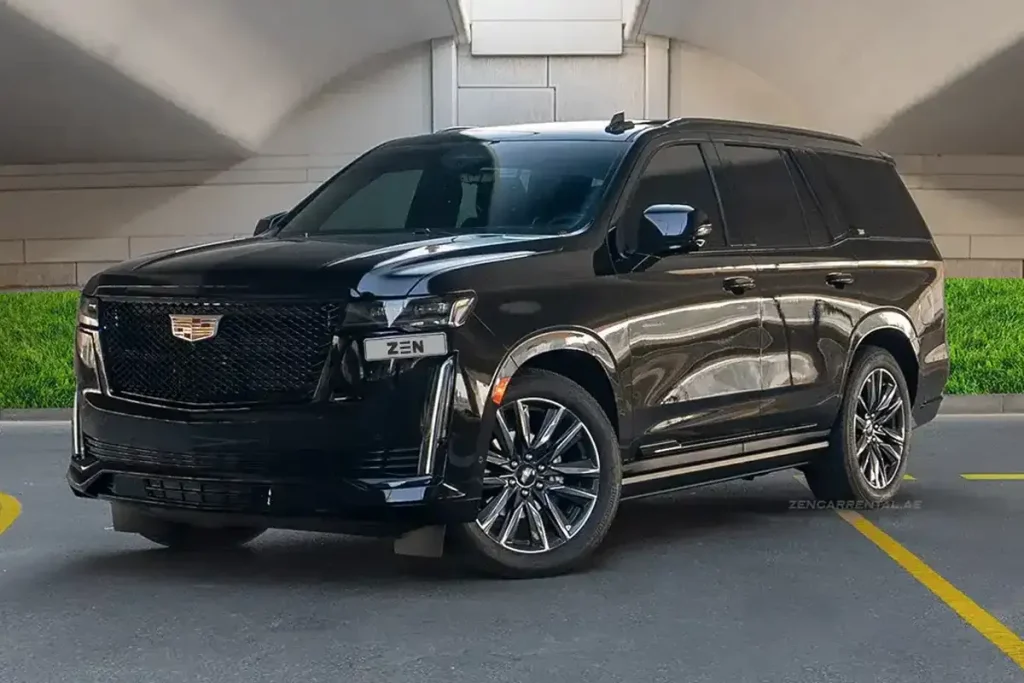
The same convenience is showing up in other places, too—imagine when you rent a Cadillac in Dubai and unlock it with your phone instead of juggling keys at a counter.
This isn’t some future scenario. It’s already happening—and it’s changing how fleets operate.
As more companies digitize operations, old-school metal keys are being phased out. In their place? Smart locks and mobile apps that let fleets move quicker, stay more secure, and avoid all the key-related headaches.
Here’s what that shift actually looks like on the ground.
From Metal Keys to Mobile Control
Not so long ago, passing off a vehicle meant physically handing over a key. And with that key came risk—lost, misplaced, or accidentally taken home at the end of a shift.
Now, all that’s handled through a phone. With Bluetooth and cloud-based tech, drivers get instant access—no handoffs, no paperwork, no chaos.
Managers aren’t complaining. They can assign vehicles remotely, shift assets between locations without meetups, and keep tabs on every entry and exit. It’s not just smoother—it’s smarter.
For fleets that operate across multiple locations or service tight delivery windows, the ability to instantly deploy vehicles without manual coordination is a massive advantage. You’re not just saving time; you’re removing friction from every layer of daily logistics.
More Miles, Less Waiting
Delays slow everything down. A five-minute wait for a key handoff might seem harmless, but repeat that a few times a day across an entire fleet? That’s hours lost.
With remote access, the next driver can get rolling the moment a vehicle’s parked. No searching for keys, no awkward back-and-forth—just tap and drive.
For car rental services and delivery fleets, this fast turnaround keeps vehicles moving and revenue flowing. Even if you book an SUV for rent in Dubai, the ability to unlock it instantly through your phone instead of waiting at a counter shows just how powerful this shift can be. Some businesses report saving several hours per driver per week, just by cutting out old-fashioned key exchanges.
It also makes things easier during peak hours or high-demand seasons. When every minute counts, remote access gives you the agility to reassign, rotate, or replace vehicles with zero downtime. It’s logistics without the lag.
Security That Stays a Step Ahead
Traditional keys are easy to lose and even easier to misuse. All it takes is one in the wrong hands to put a vehicle at risk.
Smart access flips that on its head. If a problem crops up, managers can revoke access immediately. They get real-time alerts for unusual activity, and some systems even let them disable a vehicle remotely.
Plus, everything is tracked. Drivers know their movements are logged, which means they’re more likely to follow protocol. If an issue does pop up, digital records offer clear answers—whether for insurance, audits, or internal reviews.
It’s security that doesn’t just lock doors—it keeps people accountable.
Running Lean with the Right Tools
Remote access isn’t just a door-opener. It’s part of a much bigger picture.
When synced with fleet software, smart locks give managers a real-time view of who’s driving what, how much fuel is being used, when maintenance is due, and more. Everything shows up in one dashboard—no spreadsheets, no guesswork.
Need to swap vehicles mid-shift? You can do that without ever picking up the phone. Want to block after-hours access? Set the rule once, and you’re done.
Instead of getting buried in daily logistics, managers can focus on strategy. The system handles the grind.
And with integrations expanding every year, it’s getting easier to fold remote access into telematics, route optimization, and performance analytics. It’s no longer a standalone tool—it’s part of a smarter ecosystem.
Not Without Its Speed Bumps
That said, remote access isn’t perfect.
Connected tech always carries a risk. Strong providers use encryption and regular updates to stay ahead of potential threats, but it’s still something to keep an eye on.
Then there’s the cost—especially if you’re upgrading an older fleet. The price tag can be steep upfront, but over time, the savings in time, security, and vehicle usage usually tip the scales.
Also worth noting: not every driver will be thrilled about ditching keys. That’s where rollout matters. Clear training, solid support, and open communication go a long way in getting your team on board.
It’s not all smooth sailing—but it’s rarely a deal-breaker either.
A New Way to Think About Fleet Management
This shift isn’t just about ditching keys. It’s about running leaner, faster, and smarter.
You get fewer delays. More control. Better security. And it works with the systems you already use—no massive overhaul required.
And we’re just scratching the surface. Voice commands and biometric access are already on the horizon. But even today, remote access tech is proving itself—mile after mile.
Thinking About Making the Switch?
If keys are still slowing you down, it might be time for a change.
Try it out with a few vehicles. See what kind of difference it makes in your day-to-day.
Chances are, the solution’s already in your pocket—and it’s ready to roll.