Buying a dump truck, excavator, wheel loader, or other heavy equipment from China can be an attractive option for overseas buyers. But once you have found the right machine and agreed on a price, another important question comes up: how will you get it delivered to your country?
Shipping heavy vehicles is different from transporting ordinary goods. A truck may be too tall for a shipping container, while an excavator may require special loading equipment or partial dismantling before export.
The shipping method you choose affects transportation costs, cargo handling, and delivery time. Here’s what buyers should know before arranging shipment from China.
1. Which Shipping Method Should You Choose?
Heavy vehicles and construction machinery are generally shipped overseas by sea. There are four main shipping options, each suited to different types of equipment.
RoRo Shipping: For Trucks and Operational Machinery
Roll-on/Roll-off (RoRo) shipping allows vehicles and certain types of heavy machinery to be driven or moved onto a specialized vessel using a ramp.
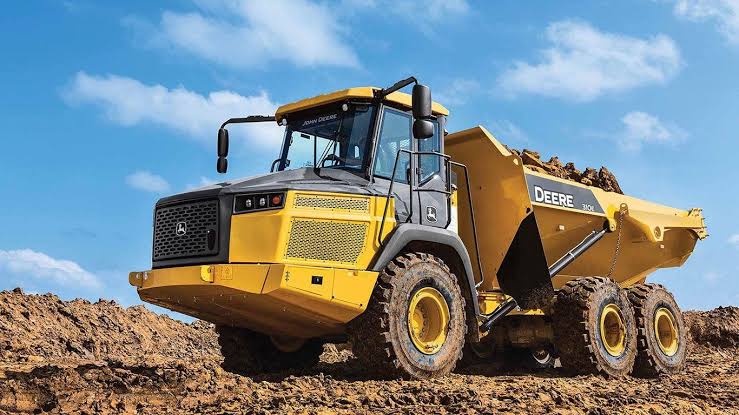
It is commonly used for dump trucks, tractor trucks, buses, wheel loaders, and other operational equipment.
For buyers purchasing a complete truck from China, RoRo is often one of the first shipping options worth checking. It avoids the need to dismantle the vehicle and reduces crane handling during loading.
However, RoRo is not available on every shipping route. The vehicle must also meet the shipping line’s requirements for dimensions, weight, operating condition, and safe loading.
Container Shipping: For Smaller Equipment
Standard shipping containers are suitable for compact equipment that fits within their dimensions and payload limits.
Examples include mini excavators, small forklifts, compact construction machines, and dismantled equipment.
A 20-foot or 40-foot container provides an enclosed space for transportation. However, the machine must fit through the container door and leave enough room for safe securing.
Some equipment can be partially dismantled to fit inside a container. Removing a bucket, attachment, or other detachable component may reduce the space required, provided the work is technically safe and properly documented.
Flat Rack Shipping: For Oversized Machinery
Flat rack containers have a reinforced platform without fixed side walls or a roof. They are designed for cargo that cannot fit inside a standard enclosed container.
This method is commonly considered for oversized excavators, bulldozers, wheel loaders, and heavy machinery with unusual dimensions.
Because the equipment may extend beyond the container’s normal dimensions, the shipping line must approve its measurements, weight distribution, and securing arrangement.
Breakbulk Shipping: For Large or Heavy Equipment
Breakbulk shipping allows machinery to be transported as individual cargo pieces rather than inside containers.
This method is suitable for large cranes, oversized mining equipment, industrial machinery, and construction equipment that cannot be transported using standard container equipment.
The cargo is typically lifted onto the vessel using cranes and secured for the sea voyage.
Breakbulk shipments require additional planning for lifting points, handling equipment, port facilities, and cargo securing.
2. Which Option Works for Your Equipment?
The following table provides a starting point for comparing shipping methods.
| Equipment | Shipping Options to Check |
| Dump trucks and tractor trucks | RoRo; breakbulk if necessary |
| Mini excavators | Standard container; flat rack |
| Large excavators | RoRo, flat rack, or breakbulk |
| Wheel loaders | RoRo or flat rack |
| Bulldozers | RoRo, flat rack, or breakbulk |
| Mobile cranes | RoRo or breakbulk |
| Forklifts | Container or RoRo |
| Large mining machinery | Breakbulk or specialized heavy cargo transport |
These are general options. The final choice depends on the machine’s actual dimensions, weight, operating condition, and available shipping routes.
3. How Much Does Shipping from China Cost?
There is no single shipping price for trucks and heavy equipment purchased in China.
For example, transporting a working dump truck by RoRo can involve different charges from shipping a dismantled excavator inside a container.
The main factors affecting the total cost include:
- Equipment dimensions and weight: Larger or heavier machines may require special space, handling, or lifting equipment.
- Shipping method: RoRo, containers, flat racks, and breakbulk vessels have different freight and handling charges.
- Chinese pickup location: Transporting machinery from an inland factory to the export port adds domestic transportation costs.
- Destination port: Freight rates, available sailings, and local port charges vary by destination.
- Loading and securing: Containers and oversized cargo may require additional labor, materials, and lifting equipment.
- Import charges: Customs duties, taxes, inspections, and destination handling fees depend on local regulations.
Before accepting a shipping quotation, ask whether it covers pickup in China, export customs clearance, port handling, ocean freight, insurance, destination charges, and final delivery.
A quotation covering only ocean freight does not represent the full cost of receiving your equipment.
4. What Should Buyers Prepare Before Shipping?
Once you have selected the equipment, collect the information needed to assess its transportation requirements.
Start with the manufacturer’s specifications, including the model, overall length, width, height, and operating or shipping weight.
If the machine is used, confirm whether it starts, drives, and operates normally. This matters especially when considering RoRo shipping.
Ask the seller for current photographs showing the machine from different angles. Photos of the identification plate, tires or tracks, and major attachments can help identify potential loading problems.
For equipment that needs partial dismantling, obtain the dimensions and weights of both the main machine and any removed components.
It is also important to confirm who is responsible for transportation.
Under an EXW purchase arrangement, the buyer normally has to organize collection from the seller’s premises and most of the export transportation process. Under FOB terms, the seller is responsible for delivering the goods on board the nominated vessel at the agreed port, subject to the applicable contract.
For buyers unfamiliar with Chinese export procedures, a freight forwarder can help coordinate these arrangements. China-based vehicle and machinery logistics providers such as Sinotraffic handle RoRo, breakbulk, and container transportation, as well as related export handling and cargo securing services.
Comparing the available shipping arrangements before the equipment leaves the factory can help buyers avoid unnecessary handling and last-minute changes at the port.
5. Check Import Rules Before the Equipment Leaves China
Before paying for a truck or construction machine, verify that it can legally be imported into your destination country.
This is particularly important for used commercial vehicles and second-hand construction machinery.
Some countries restrict imports according to the vehicle’s manufacturing year, emissions standards, roadworthiness, or equipment category.
The documents commonly needed for international shipments include a commercial invoice, packing list, bill of lading, and relevant customs documents. Depending on the destination and cargo, additional certificates, inspections, or permits may be required.
Used equipment may also need cleaning to remove soil, plant material, or other contamination before shipment.
Buyers should confirm these requirements with a licensed customs broker or the relevant authorities in their destination country before the equipment is dispatched.
6. What Happens After the Equipment Arrives?
When the vessel reaches the destination port, the cargo must complete the applicable import clearance and terminal release procedures.
For RoRo shipments, vehicles are normally discharged through the vessel’s ramp and moved to the designated terminal area.
Containers, flat racks, and breakbulk cargo require their respective unloading and handling arrangements.
Depending on the equipment and delivery location, the buyer may also need a low-bed trailer, heavy-haul truck, or other suitable vehicle for inland transportation.
Oversized cargo may require special road permits or approved transport routes.
Therefore, buyers should consider final delivery arrangements before the shipment leaves China, particularly if the equipment is being purchased for a construction site, mine, or project location away from a major port.
7. Common Shipping Mistakes to Avoid
One common mistake is accepting a machine’s factory specifications without checking its actual shipping dimensions. Modified equipment or installed attachments can change its height, width, or weight.
Another is booking a shipping method before confirming whether the machine can safely be loaded. A non-running truck, for instance, may require special handling even if RoRo services are available on the route.
Buyers should also avoid making shipping arrangements without confirming destination import eligibility and the full breakdown of freight-related charges.
Checking these details before the equipment is collected from the seller can prevent unnecessary changes, storage charges, and delivery delays.
Final Thoughts
Shipping a truck or heavy machine from China starts with understanding the equipment itself: its dimensions, weight, condition, and destination.
For a working dump truck, RoRo may be a practical option. Smaller machinery may fit inside a container, while oversized excavators and industrial equipment may need flat racks or breakbulk shipping.
Before completing a purchase, check the destination country’s import rules, request a quotation covering the necessary transport stages, and confirm how the equipment will be loaded, secured, and delivered.
These preparations help buyers plan the shipment and understand the actual cost of bringing their equipment from China to its final destination.