Hey there, scooter fans! If you’re looking for a stylish, practical, and zippy ride to conquer city streets or cruise open roads, the Yamaha XMAX might just be your dream machine. This maxi-scooter lineup has been spinning heads since its debut, blending sporty vibes, premium features, and commuter-friendly practicality. Whether you’re a beginner dipping your toes into two-wheeled adventures or a seasoned rider seeking the best commuter scooter, the XMAX has something for everyone. Let’s dive into the Yamaha XMAX review, exploring its variants XMAX 125, 300, and 400, covering their history, design, performance, and why they’re a top pick for urban riders.
History & Evolution of the Yamaha XMAX
The Yamaha XMAX story kicked off in 2006, when Yamaha introduced it as a sporty, mid-sized sibling to the larger TMAX. Originally launched in Europe as the XMAX 250, it quickly earned traction for its elegant design and zippy performance, mainly in bustling cities like Rome and Madrid. Over the years, Yamaha expanded the lineup, adding the XMAX 125 for A1 license holders and the XMAX 400 for those desiring more power. By 2013, a second generation brought refined styling and a 400cc variant, while the third generation in 2017 introduced the XMAX 300, replacing the 250cc model with a punchier, Euro 4-compliant engine.
Fast forward to 2025, and the XMAX continues to evolve. Recent updates include a sharper, more aggressive look, advanced tech like Y-Connect smartphone integration, and an electronically modifiable windscreen on the XMAX 300. Yamaha’s commitment to blending style, performance, and practicality has made the XMAX a global hit, with over 130,000 units sold for the 250/300 models alone. Whether you’re weaving through traffic or hitting the highway, the XMAX has grown into a versatile family of scooters tailored to diverse riders
Design & Features: Style Meets Functionality
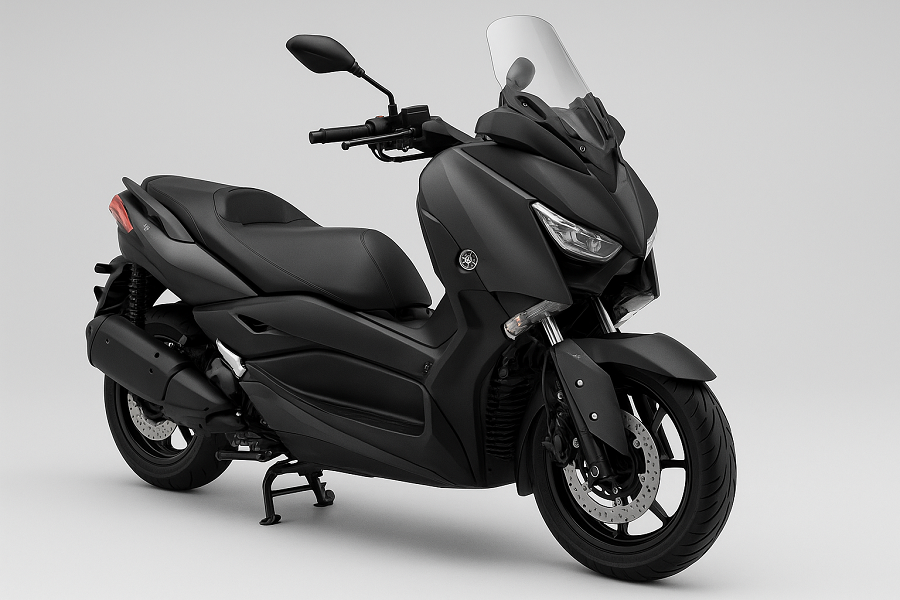
The Yamaha XMAX lineup screams sophistication with its bold, sporty design. Think sleek lines, X-shaped LED headlights, and a futuristic vibe that makes it stand out in a sea of scooters. The 2025 models, especially the XMAX 300 Tech Max, boast premium touches like a TFT dashboard with Garmin sat-nav, aluminum footplates, and a plush dual seat for extra comfort. The Smart Key System is a game-changer; no more fumbling with keys; just keep the fob in your pocket, and you’re ready to roll.
Storage is where the XMAX shines. The under-seat compartment swallows two full-face helmets or a week’s worth of groceries, making it a commuter’s best friend. The XMAX 400 takes it further with enough space for a weekend getaway duffle. Modifiable handlebars and windscreens (electronically adjustable on the 300) let you dial in the excellent riding position, while the 4.3-inch display on the 300 and 400 offers phone connectivity, fuel stats, and even a bar-style tachometer.
Comfort is king here. Riders rave about the XMAX’s armchair-like saddle, ideal for long commutes or leisurely rides. The 2025 XMAX 300’s electronically adjustable windscreen adds almost four inches of vertical tweakability, protecting you from wind and rain without tools. Whether you’re 5’6” or 6’3”, the ergonomic design confirms you’re comfy, though taller riders might find the legroom slightly snug on the 125 and 300.
Engine & Performance: Power for Every Path
The XMAX lineup offers three engine options, each tailored to different needs:
- XMAX 125: Powered by a 125cc, single-cylinder, liquid-cooled engine, this A1 license-friendly scooter pumps out about 11-12 horsepower. It’s excellent for city zipping with a top speed of around 65 mph. While it’s nimble and fuel-efficient, it can feel underpowered on open roads.
- XMAX 300: The sweet spot for most riders, the 292cc, four-stroke, single-cylinder engine delivers 27.6 horsepower at 7,250 RPM and 29 Nm of torque at 5,750 RPM. With a top speed of 87-90 mph, it’s freeway-capable and quick off the line, leaving 125cc delivery scooters in the dust. Its BlueCore technology ensures smooth power delivery and minimal vibrations.
- XMAX 400: For those who want more grunt, the 395cc engine churns out 32.9 horsepower, offering effortless highway cruising and quicker acceleration. It shares the same frame as the 300 but feels more planted at higher speeds, though it’s slightly heavier at 210 kg (463 lbs).
All models feature a smooth, fully automatic CVT transmission, making them beginner-friendly, just twist and go! Traction control and ABS come standard on the 300 and 400, increasing safety in wet or slippery situations. The 125 also got traction control and LED headlights for 2025, keeping it competitive. Fuel efficiency is stellar, with the 300 hitting around 75-80 mpg, while the 125 and 400 aren’t far behind, making them wallet-friendly.ly for daily commutes.
Urban Usability & Fuel Efficiency: Built for the City
The Yamaha XMAX is a city rider’s dream. Its compact size and weightless steel frame (180 kg for the 300, 210 kg for the 400) make it agile enough to slip through closed traffic gaps in places like London or Milan. The 15-inch front and 14-inch rear wheels (same across all models) roll smoothly over urban potholes, and Dunlop ScootSmart or Michelin City Grip tires provide solid grip.
For commuters, the XMAX’s storage and fuel efficiency are difficult to beat. The 13.2-liter fuel tank on the 125 and 300, and slightly larger on the 400, means you can go 200-260 miles between fill-ups. That’s fewer gas station stops and more time enjoying the ride. The upright riding position and adjustable windscreen keep you comfortable, whether you’re dodging taxis or cruising to the suburbs. Plus, the XMAX 300 specs include a low center of gravity, making it easy to handle at stops, even for shorter riders.
Accessories like Yamaha’s winter pack (heated grips, muffs, and an insulated apron) or urban pack (top box and backrest) enhance year-round usability. Whether you’re hauling groceries or braving a rainy commute, the XMAX has you covered.
Pros & Cons of the Yamaha XMAX
Pros
- Sporty Design: Aggressive styling with LED lights and a premium look.
- Ample Storage: Under-seat space fits two helmets or shopping bags.
- Fuel Efficiency: 75-80 mpg across models saves money at the pump.
- Tech Features: Smart Key, traction control, ABS, and smartphone connectivity (300/400).
- Versatile Performance: Handles city streets and highways with ease (300/400).
- Comfortable Ride: Plush seat and adjustable ergonomics for long rides.
Cons
- Pricey: Starts at $5,799 for the 300, higher than some rivals like Kymco DTX 360.
- Legroom for Tall Riders: Slightly cramped for those over 6’2”.
- Headlight Performance: Some riders find the high beam weak, especially on the 300.
- Front Brake Feel: Spongy front brakes on the 300 require a firm grip.
Competitor Comparison: XMAX vs. Honda Forza vs. Suzuki Burgman
The Yamaha XMAX 300 goes head-to-head with the Honda Forza 350 and Suzuki Burgman 400. The Forza 350, priced around $5,799, offers slightly more power (29 hp) but lacks the XMAX’s traction control and premium TFT display in base models. The Burgman 400, at $8,599, has a larger 400cc engine (30.5 hp) but is heavier (225 kg) and pricier, making it less nimble in city traffic. The XMAX 300 strikes a balance with its 27.6 hp, lighter 180 kg frame, and tech-packed features, making it a strong contender for urban commuters. The XMAX 125 competes with the Honda PCX 125, where it feels slower (11-12 hp vs. 15 hp) but looks sharper. The XMAX 400 rivals the Burgman 400, offering similar power but better storage and a lower price.
Who Should Buy the Yamaha XMAX?
The XMAX 125 is perfect for new riders or those with an A1 license, especially in Europe, where its 65 mph top speed suits city commuting and learner regulations. It’s ideal for teens or urbanites wanting a stylish, low-maintenance ride.
The XMAX 300 is the Goldilocks choice for most commuters. Its 87-90 mph top speed and freeway capability make it great for city-to-suburb trips, while its tech and storage appeal to professionals who value convenience. If you’re a daily commuter or weekend explorer, this is your match.
The XMAX 400 suits experienced riders who want a maxi-scooter for longer journeys or highway cruising. It’s a solid pick for those who need extra power without stepping up to the pricier TMAX.
No matter your experience level, the XMAX’s ease of use (thanks to the CVT) and safety features like ABS make it welcoming for beginners and seasoned riders alike.
Conclusion: Why the Yamaha XMAX Stands Out
The Yamaha XMAX lineup—125, 300, and 400—delivers a winning mix of style, performance, and practicality. Whether you’re navigating crowded city streets or hitting the open road, these scooters offer something for everyone. The XMAX 300 specs shine for urban commuters, blending fuel efficiency (75-80 mpg), ample storage, and cutting-edge tech like Y-Connect and traction control. The 125 is a beginner’s delight, while the 400 caters to those craving more power. Despite minor drawbacks like front brake feel or higher pricing, the XMAX’s premium build and versatility make it a top contender in the best commuter scooter category.